Price discrimination
Since value is subjectively determined, it is impossible that potential customers will all have the same demand curves. The definition of price discrimination is charging different customers different prices for the same product. Instead of pricing based on cost differences, it’s based on different customers’ willingness to pay.
I consider there to be three main types of price discrimination:
This is where the price reflects the unique marginal value of each customer and captures all consumer surplus.
As you might expect this can be quite costly to engage in, so it’s more common when the sales price is high (for example, estate agents will try to sell similar houses for vastly different amounts depending on the maximum willingness to pay of each specific buyer).
Pay what you want pricing (PWYW). It is “perfect” in the sense that every customer is paying a unique price. However, because it is impossible to enforce, this price will not necessarily be the maximum they’re willing pay.
This occurs when consumers are split into groups with similar demand curves. Common examples include:
- Age
- Nationality
- Residency
- Student status
In order for this strategy to work, it must be reasonably easy to know which group any individual belongs to, and you must be able to prevent those who receive the good for less to sell it on to those who have to pay more (i.e. prevent arbitrage).
Here, you accept that customers with a high willingness to pay could get away with pretending that they had a low willingness to pay, but you use a hurdle to discourage them from doing so. Indirect price discrimination (or hurdling) occurs when companies provide discounts for price-sensitive customers, and although the discount is available to everyone, the slight inconvenience means that insensitive customers won’t bother. There is a whole hidden world of price discrimination and so if you pay the full price for something you must clearly not be price sensitive. It’s not so much that “only a fool pays retail”, but that only price-insensitive people do.
Here is an example:
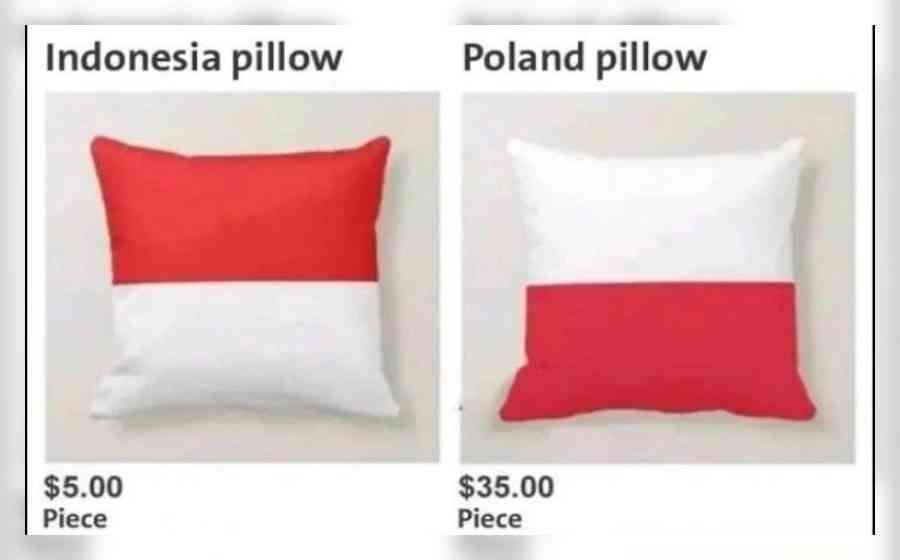
The reason I think indirect price discrimination is such an under appreciated force for good in the world is because it often involves rich people subsidising poor. As this tweet recognises:

Here are some additional strategies that relate to indirect price discrimination:
- Purchase/usage restrictions – rich people can get discounts from making advanced bookings if they want to, but the value of their time means they’re willing to pay the full price and book when they need to travel.
- Quantity discounts – a single man won’t buy a multipack of baked beans, but price-conscious people will.
- Coupons – price-insensitive consumers won’t be bothered to cut them out of a magazine and remember to bring them to the shop.
- Performance-based – price-insensitive consumers will go for the more expensive iPhone even if they don’t need the capacity.
- Black Friday – this is where firms offer major discounts to consumers who are so sensitive to prices that they’re willing to turn up at 4 a.m., and fight other customers in a degrading and mad scramble.
- Paywalls – many apps provide free and paid versions of the same apps.
- Drop-out discount – a former student sent me an email he’d received from a company that specializes in securing National Insurance numbers for foreign students. It requires you to register before showing the prices, at which point he decided that they were too expensive. A few minutes later, he received an email offering a 10% discount.
- Knowledge-based – the so-called “secret menus” of various fast food restaurants are becoming increasingly well known.
This video shows how price discrimination relates to airlines:
We have to be careful. Lots of times things that might look like price discrimination may in fact have cost-based differences. For example:

Dry cleaning
If women’s clothes are made from more delicate fabrics, it will cost slightly more to clean them. And if the costs aren’t the same, it isn’t price discrimination!
Pink razors
Women’s razors tend to cost more than men’s, and this has been referred to as a “pink tax”. If it is the case that the products are identical, then there’d be no problem – women could save money by buying the same as men. If they’re willing to pay a premium for the colour, then that is pricing in accordance with value creation, and price discrimination. BUT it seems to me that “women’s” razors tend to have a different shape, and alternative moisturizing properties. If that’s the case, there may be legitimate cost-based differences as well.

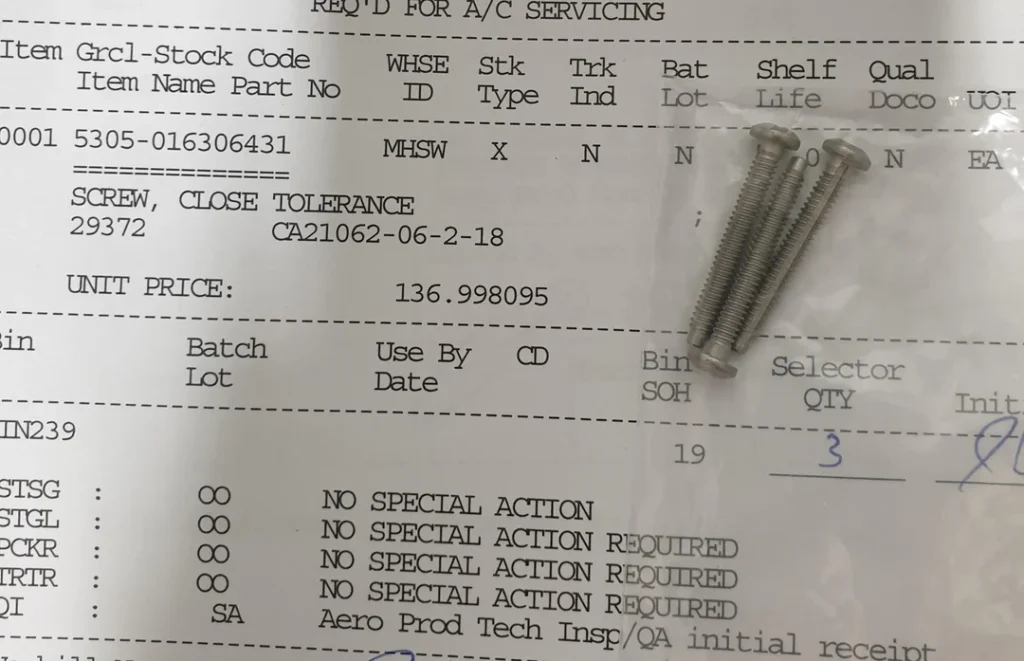
Aircraft-grade screws
These screws cost $136.99 each. My initial suspicion was that because they are such a small component of the overall cost of a new aircraft suppliers were able to charge exorbitant prices. In fact, to be aircraft grade there needs to be meticulous documentation so that each individual component can be traced back to production.
Airlines are paying for that tracking service as opposed to the physical object. (Source)
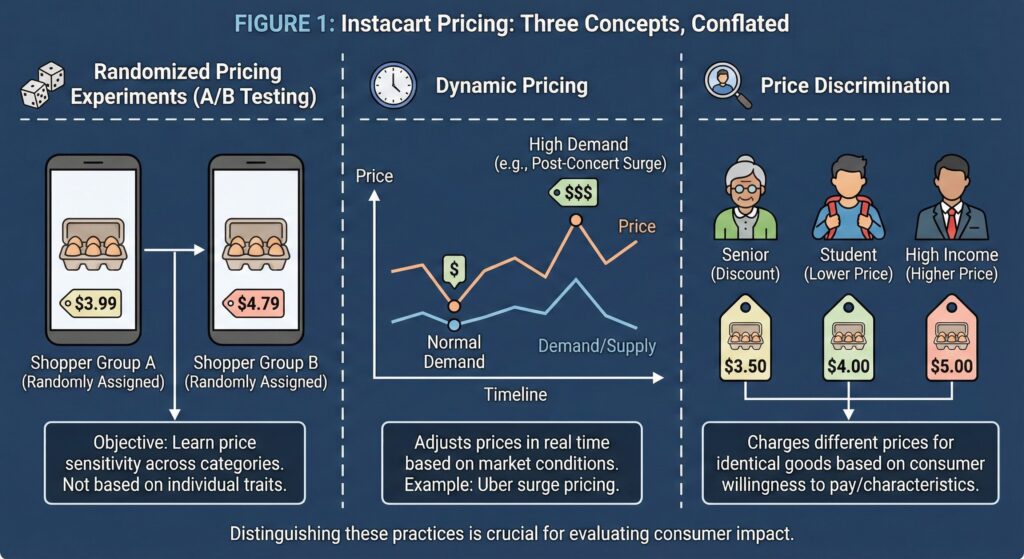
Also, what might seem to be price discrimination could be randomized pricing experiments. In December 2025 a report found that the grocery delivery service, Instacart, were charging different prices to different customers. According to this article in the LA Times,
At a Safeway supermarket in Washington, D.C., a dozen Lucerne eggs sold for $3.99, $4.28, $4.59, $4.69, and $4.79 on Instacart, depending on the shopper
However these prices weren’t changing in real time, as a function of demand. They weren’t surge pricing, and they weren’t tailored to the individual consumer’s behaviour or group characteristics. They were in fact randomised tests designed to understand how much shoppers as a whole were willing to pay. This handy graphic from Brian Albrecht explains the difference well:
In March 2024 Legoland announced that they would adopt a surge pricing model. They should have announced a model of “heavy discounts for off-peak times” – because that is the same thing! – but surge pricing seems to be the common (and unpopular) term.
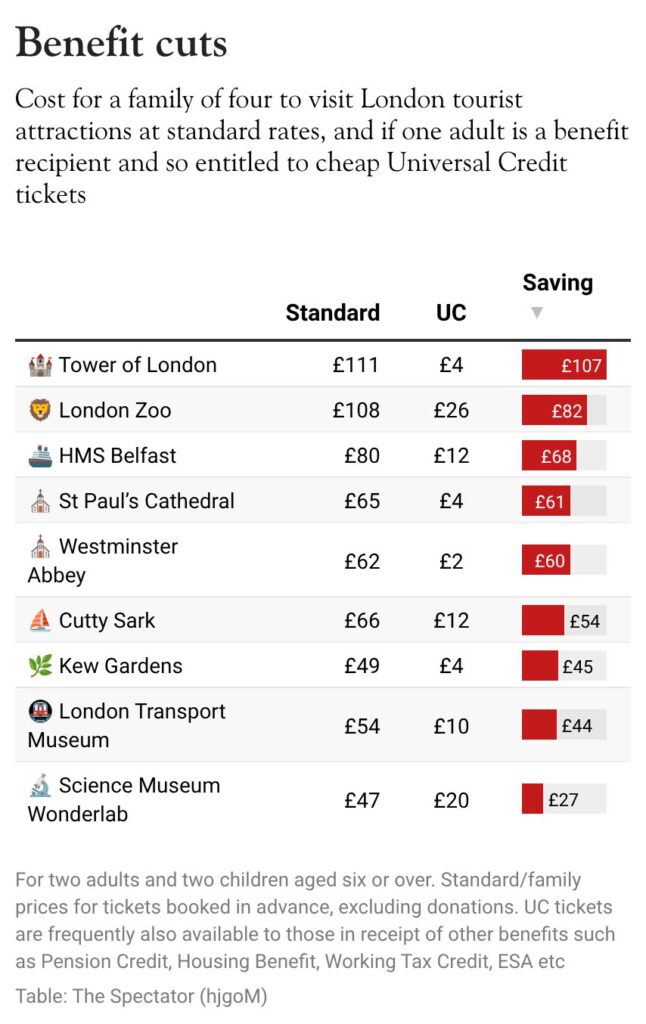
Another good example of the controversies involved with price discrimination is an April 2026 article in The Spectator, which highlighted the discounts offered by various London attractions. It prompted discussions about “free riding” and a two tier system where wage earners have to pay high prices which subsidise those on low incomes (who can claim “Universal Credit” (UC)).
We can also view this as an effective direct price discrimination technique, given that it easily splits customers into income groups.